Experience world-class eye care at Navashakthi Nethralaya
Schedule an Appointment Today !
Comprehensive eye health solutions for the entire family.
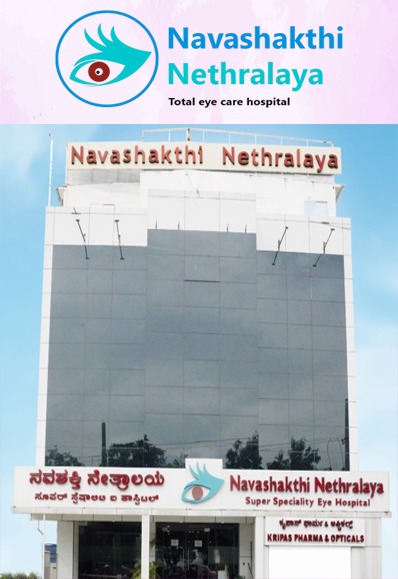
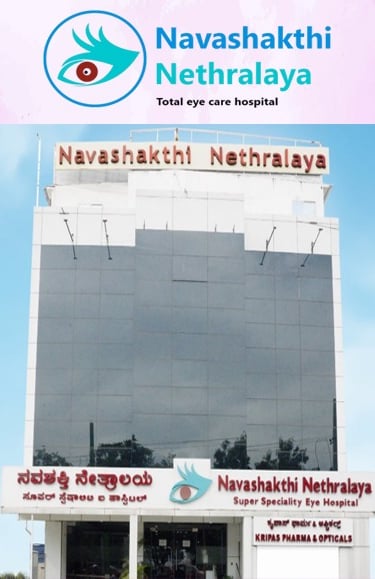


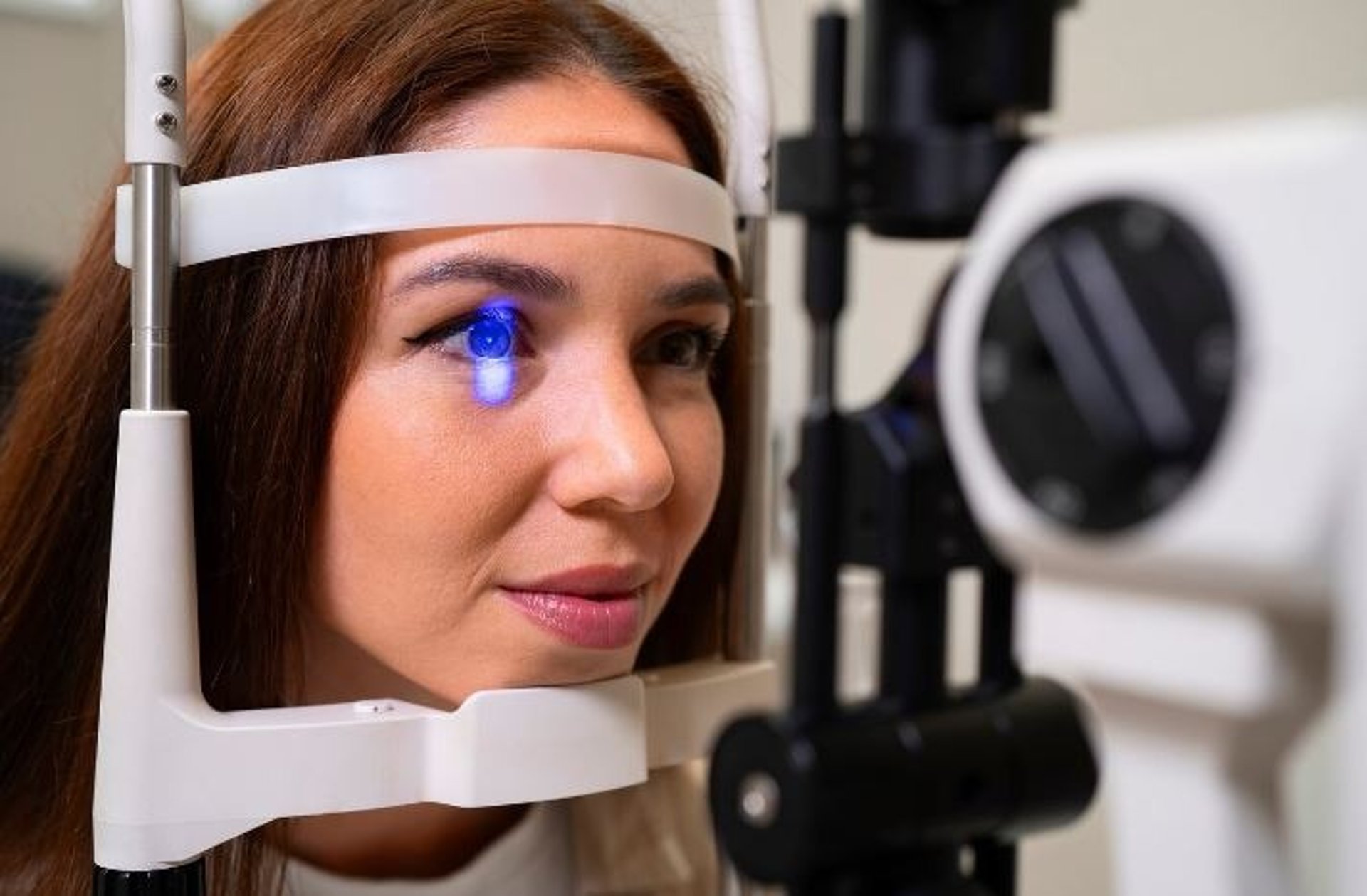
Eye care related issues under one roof.
Experienced Doctors
Our team is comprised of highly qualified and experienced kidney specialists who are dedicated to providing personalized care.




Experience world-class eye care at Navashakthi Nethralaya, Our team of experienced ophthalmologists and optometrists is dedicated to providing comprehensive eye health solutions for the entire family.
Comprehensive Care
We offer a full range of services under one roof, making it easier for you to receive the care you need.




Schedule an Appointment
Contact us today to schedule a consultation with a kidney specialist.
Delivering Excellence
We believe in partnering with you to develop a treatment plan that aligns with your goals and preferences
Book an Appointment Today !
Dr. P. Elankumaran
2,00,520 +
24 +
Years of experience
Happy Patients
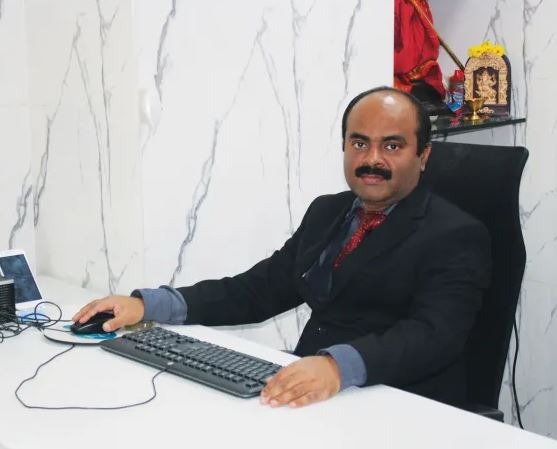
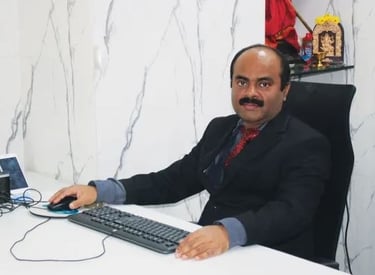
Fellow in Cornea and Refractive surgery, MD - Ophthalmology, MBBS
Dr. P. Elankumaran is an eye surgeon in HBR layout, bangalore and has an experience of 19 years in these fields. Dr. P. Elankumaran practices at Navashakthi Nethralaya in hbr layout, bangalore. He completed MD & later Fellowship in cornea and refractive surgery from AIIMS, new delhi 2003, MD - ophthalmology from AIIMS, New delhi in 2001 and MBBS from Bangalore Medical College and research institute in 1997.
52,403 +
Eye surgery done
Our services
"Navashakthi Nethralaya is one of the Best Eye hospitals in Bangalore, providing Laser cataract surgery, LASIK ( Laser treatment for eyes ) & glaucoma treatment at affordable cost for cataract surgery.
Laser Cataract Surgery
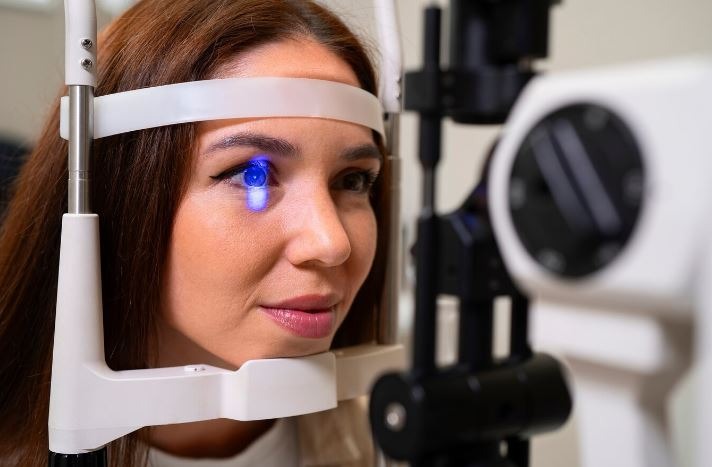
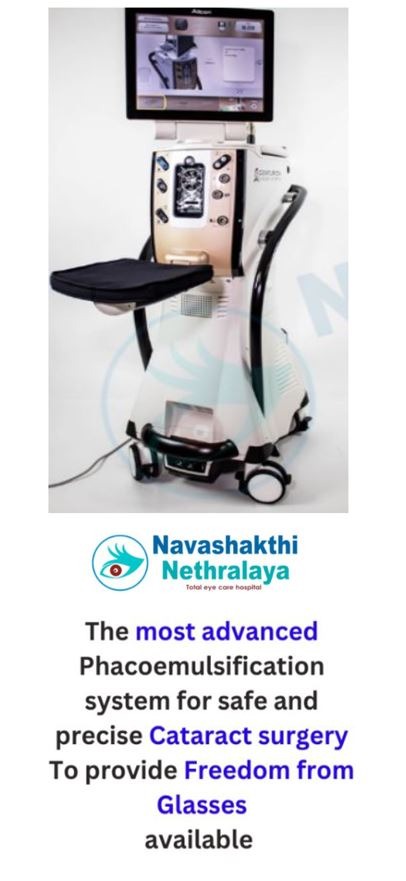
This minimally invasive technique aims to restore clear vision and reduce the need for glasses or contact lenses after surgery.
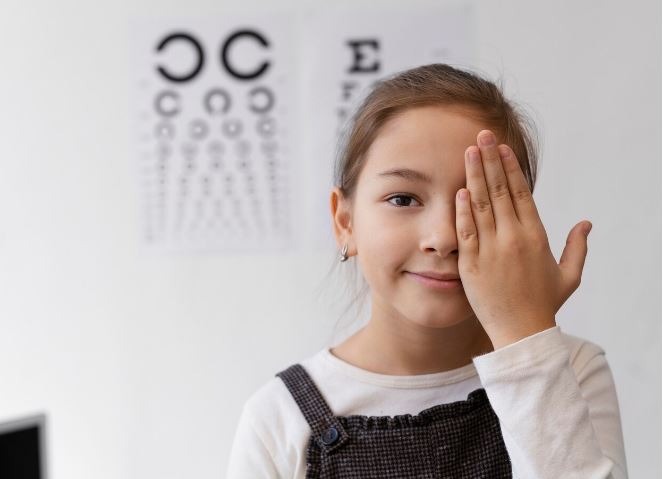
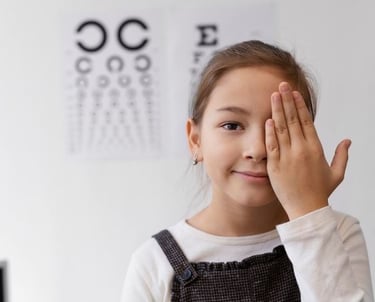
Pediatric Eye Specialists
Pediatric eye specialists are medical professionals who specialize in the diagnosis and treatment of eye conditions in children.
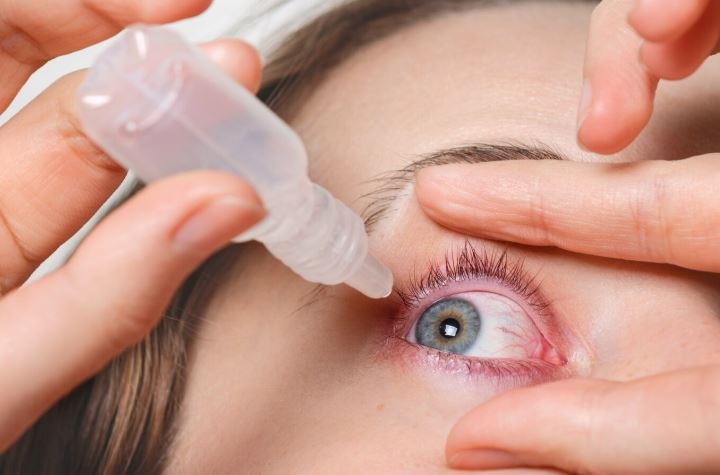
Glaucoma, a group of eye conditions that damage the optic nerve, often requires lifelong management.
Glaucoma Treatment
Gallery
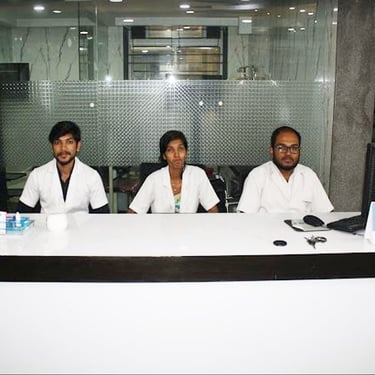
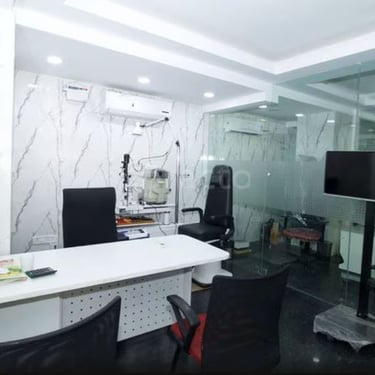
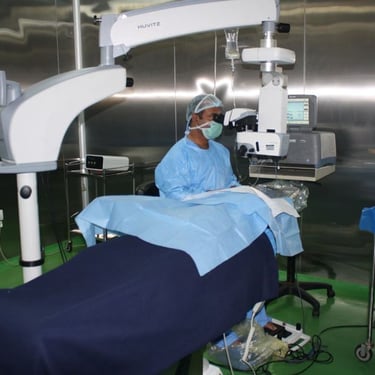
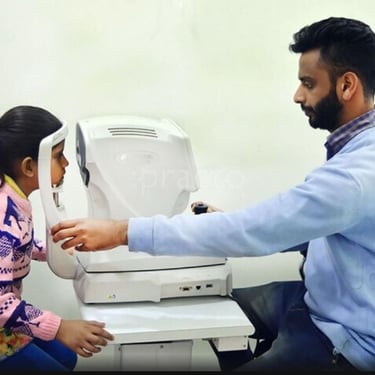
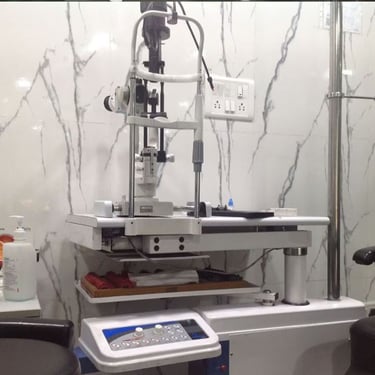
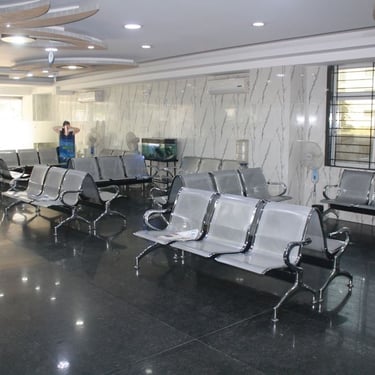
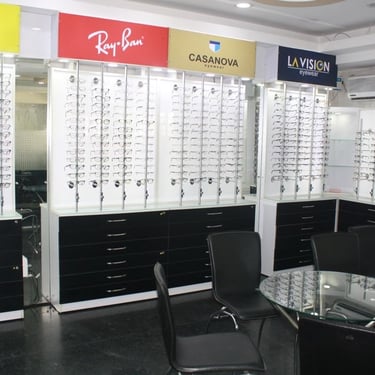
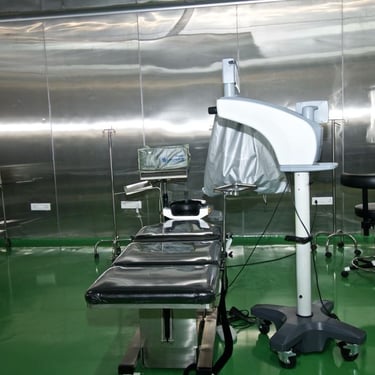
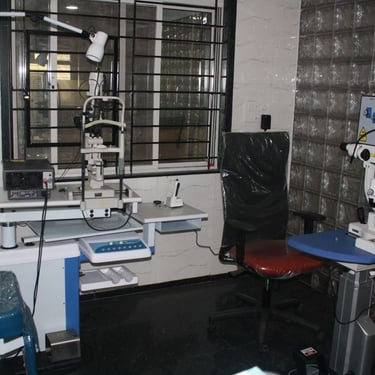
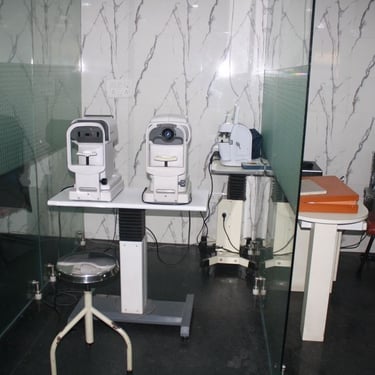
Navashakthi Nethralaya - Total Eye Care Hospital
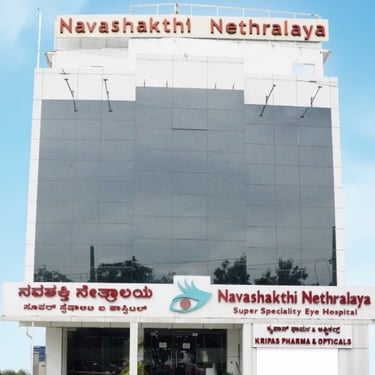
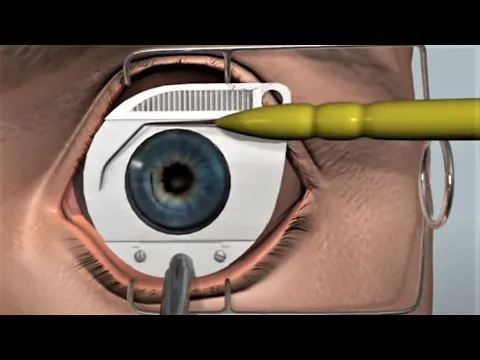
LASIK Eye Surgery - Patient Education Video
This videos cover various aspects of LASIK eye surgery, including the procedure itself, the risks and benefits, and what to expect during recovery.
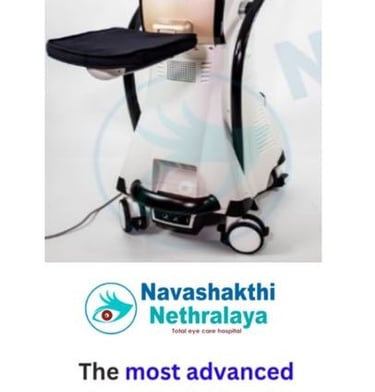
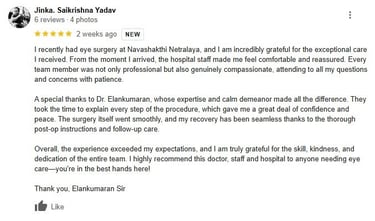
Happy Patients
Navashakthi Nethralaya - Total Eye Care Hospital
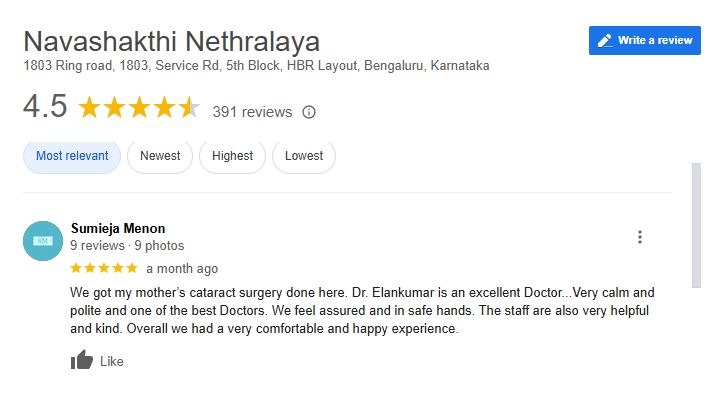
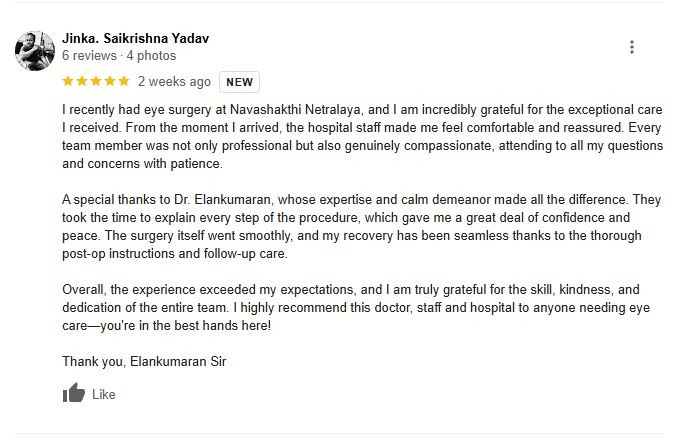
Dr. P. Elankumaran
Namaskar and welcome to our special series on I matters daily. Did you know that gluccom is one of the leading causes of irreversible blindness? It is estimated to affect around millions of people in our country. And what's more concerning is that most people don't even realize they have it until significant vision loss has occurred. Today we'll be talking to an expert to understand what gluccom really is and why early detection is so crucial and how you and your loved ones can take
simple steps to protect your vision. So let's get started and shed some light on this silent thief of sight. Doctor, recently I've been hearing a lot about gluccom and how it silently [music] leads to blindness. Can you can you help us understand what gluccom really is and what are the most common risk factors leading to gluccom? >> Thank you. I'm Dr. Ellen Kumar, medical director of Nawasaki situated on outer ring road HPR Bangalore. It's a very important question and you
made it a point to call Glacoma as the silent thief of sight. That's good. Why is it a silent thief of sight? Normally any diseases produce symptoms so that the patient can come to the doctor. But this is one disease which does not have any symptoms particularly if it is an open angle back. Suddenly one day patient will notice that his mission is gone. And the problem with this disease is it is irreversible. That's why gluccom is called a silent thief of sight or a silent blinder. The second thing you asked about the
optic nerve. Now let's see what an optic nerve is. I if you look at this can be considered like a camera. These two are the focusing lenses. There's the cora, there's the lens and then there's a retina where the image is focused and there's something called ganglion cell layer in this retina which processes these images and then those images are sent to the brain with the help of what is called as an optic nerve. So it is the ganglion cell layer which process the images something like your
recorder in a camera and this optic nerve is something like a cable you connect your camera to your computer. So without these two patient will not be able to perceive what he is seeing and I also made it a point once this ganglion cell layer and the optic nerve is damaged there is no way that it recovers. That is why it is important to treat this disease as early as possible even before the patient develops any symptoms. Now [clears throat] who are the patients who are at higher risk? Number one,
patients who have had a history of glaucoma in the family. Number two, increasing age. Older people are more prone. This said and done even younger people don't come at home. Third if the patient has a high myopia meaning high minus number classes sometimes even a high plus number classes can cross glaucoma but most often glaucomas are associated with high minus number classes. Not only this, there are certain systemic conditions like diabetes, hypertension, kidney disease or if the patient is
taking any medicine such as steroids or if he has certain autoimmune diseases. These are the diseases where the patient has to uh suspect or consult a doctor even if he has no problem. So if I'm diagnosed with gluccom, what are my treatment options and will I need surgery immediately or are there any alternatives? Also, does the treatment differ from the type or the stage at which gluccom occurs? U not all patients with glaucoma require surgeries. Let's started like this. Say you have uh
a small disease. First you try to give medicines. That's what we do in gluccom also. We give drops. Usually we start with one drop and then if necessary add two or three drops. Nowadays lot of combinations are available. So we can manage the two drops in one bottle itself with a single drop. Always glaucoma the first line of treatment is medicines. There are two types of glaucoma. Open angle glaucoma and angle closure glaucoma. In angle in angle closure glaucoma always the first line of choice is laser
followed by drops followed by tablets. In cases where it is not under control for a short time we give tablets and for the long time we either use lasers and only when none of these procedures fail we take up the person for surgery except when the glaucoma is very advanced we may think of a surgery from beginning itself. Even in surgery there are certain surgeries called micro incision glaucoma surgeries minimally invasive glaucoma surgeries. So these are the surgeries we prefer in milder types of glaucoma.
However sometimes if the glaucoma is not controlled we have to go ahead with a surgery called taculctive. There are different types of tract. Summing up, surgery usually is reserved as a last choice in severe cases of glaucoma which are not controlled with medicines or laser. >> I've also read somewhere that there are certain simple signs like eye pain or increase in spectacle number that could be the early signs of detecting gluccom. Can you help us understand these symptoms better? >> Uh that's a very good question what you
asked. See I told you there are two types of glaucoma. Open angle glaucoma and this is the tricky part. This is the silent thief of sight where the patient may not have any symptoms. By the time he notices the symptoms which is usually blurring of vision it's already too late. There's another type of glaucoma called angle closure glaucoma. In these conditions, the patient will notice eye pain, photoia, he cannot face the light or hallows around the light.


Our Address :
1803 Ring road, 1803, Service Rd, 5th Block, HBR Layout, Bengaluru, Karnataka 560043
For Appointments
Mobile Number : 9731111449
Keywords :
Best Eye Hospital in Nagavara Bengaluru
Best Eye Hospital in Hebbal Bengaluru
Best Eye Hospital in Hennur Bengaluru
Best Eye Hospital in Thanisandra Bengaluru
Best Eye Hospital in HBR Bengaluru
Timings :
9 AM to 7 PM
Keywords :
Laser Cataract Surgery in Nagavara Bengaluru
Laser Cataract Surgery in Hebbal Bengaluru
Laser Cataract Surgery in Hennur Bengaluru
Laser Cataract Surgery in Thanisandra Bengaluru
Laser Cataract Surgery in HBR Bengaluru